 Skip-the-line available
 The Best Time to Visit the Mezquita-Catedral de Córdoba
A month-by-month and hour-by-hour guide to Córdoba's extreme heat, the free early-morning window, the May patios season and the quietest slots.
Córdoba has one of the most extreme tourist-season climates in Europe, which makes timing your Mezquita visit more consequential than almost any other Andalusian monument. July and August routinely exceed 40 °C and the city in midday becomes genuinely uncomfortable to walk through — yet the Mosque-Cathedral interior stays cool year-round thanks to its thick stone walls and shaded hypostyle prayer hall, making it one of the few major attractions in southern Spain that is pleasant even at the height of summer. The Cabildo Catedral de Córdoba, which manages the building, runs timed 30-minute entry slots, so crowd pressure is not evenly spread across the day. It also opens the prayer hall free of charge on weekday mornings within a narrow window. This guide breaks down the calendar, the weekly rhythm, the free-entry rule, and the two strongest hours to be inside.
Month by Month: Heat, Crowds and Orange Blossom
April, May, late September and October are the strongest months to visit Córdoba. Daytime temperatures sit comfortably in the low-to-mid twenties Celsius, the light is long, and crowd levels stay below the summer peak. April and May also bring orange-blossom season, when the Patio de los Naranjos — the Mezquita's orange-tree courtyard — is at its most fragrant. May is the single most atmospheric month in the city because of the Festival de los Patios, when private courtyards across the historic centre open to the public; it is also the busiest week of the Córdoba year, so accommodation should be booked three or more months ahead. Spring weekends pull heavy day-trip traffic from Sevilla, but weekday mornings remain comparatively calm.
July and August deliver the most reliably clear, hot weather, with temperatures regularly above 40 °C. Paradoxically this is one of the better times to be inside the Mezquita specifically, because the stone interior is cool while the streets outside are punishing — but everything else in Córdoba, including the Roman Bridge and the Alcázar gardens, is best done early or late in the day. November through February is the quiet season: short queues, easy same-week slot availability, mild days and cool evenings. Winter is an underrated time to walk the prayer hall in near-solitude, though some daylight hours are short and a few major religious feast days bring partial closures announced in advance by the operator.
The Free Early-Morning Weekday Window
The Cabildo opens the prayer hall free of charge Monday to Saturday in an early-morning window, roughly 08:30 to 09:30, before the first paid timed slots begin and before the daily Mass. The trade-offs are significant. Access is interior-only — no audio guide, no Bell Tower, no guided support — group visits are not admitted, and the building begins clearing visitors at around 09:20 so it can be prepared for the 09:30 service, with entry effectively cut off before the hour. No booking is possible and the queue forms well before the doors open. We mention it because it genuinely exists and budget-focused independent travellers use it, but for international visitors with limited days in Córdoba a guaranteed timed slot is almost always the better trade-off. Always confirm the current free-window rule on the operator site before relying on it, as the exact times and conditions are adjusted periodically.
The Best Hours Within a Single Day
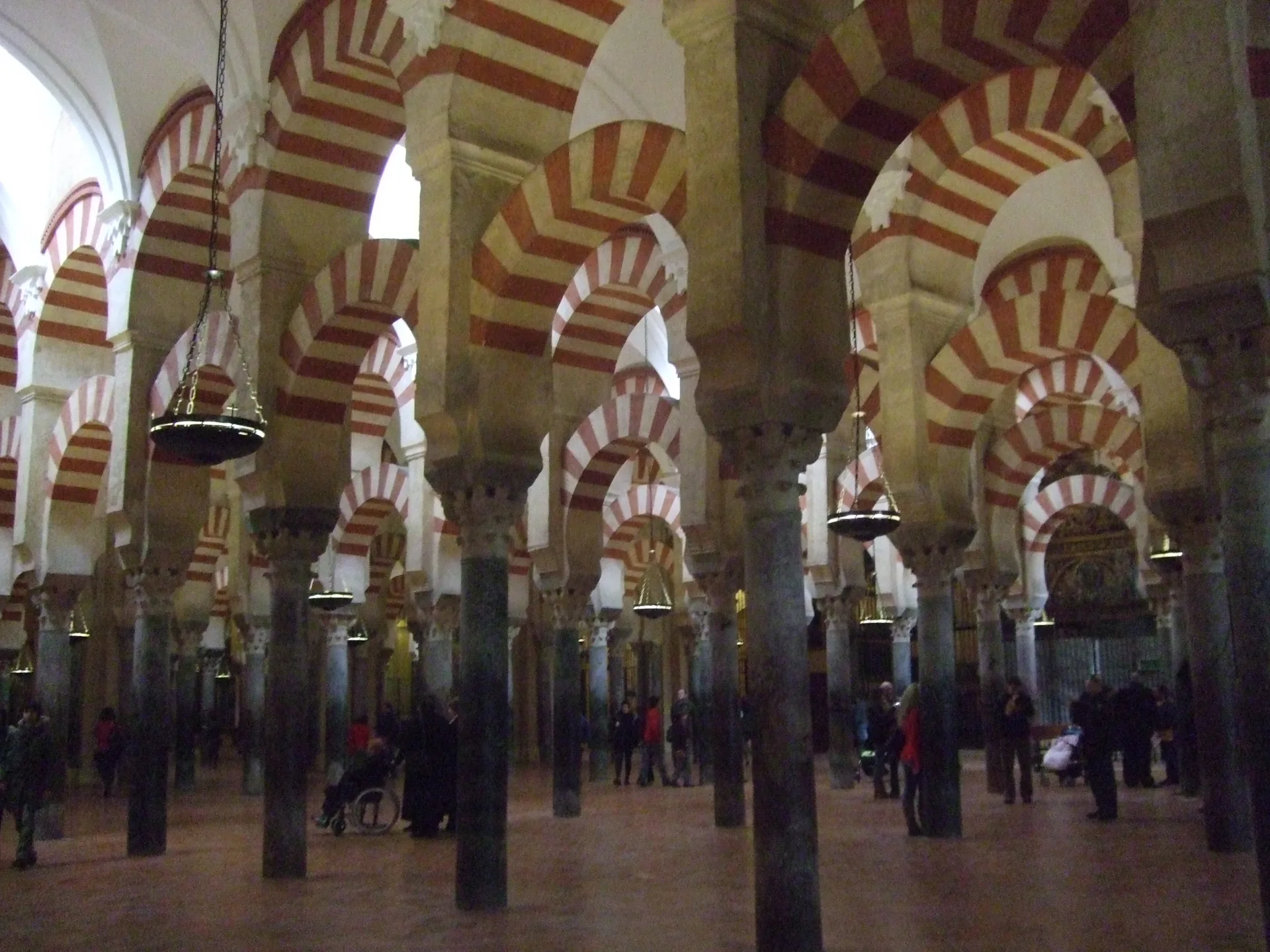
Two windows stand out inside any given day: the first paid slot of the morning and the final two hours before closing. The earliest slot puts you in the prayer hall before the coach tours and organised day-trips arrive from Sevilla in mid-morning, and the columns are at their most contemplative when the hall is half-empty — this is also the best light for photographing the double-tiered red-and-white horseshoe arches down the long axis of the hall. The last two hours are quieter because day-trippers have already left to catch the train back to Sevilla or Madrid, and the late-afternoon sun catches the orange-tree courtyard at its best on the way out.
The window to avoid in peak season is roughly 11:00 to 14:00. This is the densest crowd period inside the building, when the day-trip groups overlap, and outside it is the hottest stretch of a summer day. If your only option is a midday slot, prioritise the mihrab and maqsura early in your circuit before the crowd concentrates there — the gilded Byzantine prayer niche is the single most photographed interior feature after the arches, and it bottlenecks quickly. The Soul of Córdoba night show runs on its own evening schedule and sits outside this daytime rhythm entirely; it is the coolest, quietest way to experience the building in high summer.
Weekly Rhythm and Mass Times
The Mezquita is an active Catholic cathedral, so the weekly rhythm is shaped by liturgy as well as tourism. Daily Mass is celebrated at 09:30 in the Capilla Mayor — the Renaissance cathedral inserted into the centre of the prayer hall — with additional services on Saturdays, Sundays and major feast days. The building stays open to visitors during most services, but you are asked to remain quiet, stay outside the choir area, and not photograph the cathedral nave during liturgy. Sunday opening is split around the morning service, with a closed midday block, so Sunday is the most schedule-constrained day to plan around. Weekday mornings outside the free window are the calmest paid-visit periods; weekend afternoons in spring and autumn are the busiest. Whatever day you choose, arriving within your printed 30-minute slot matters — late arrivals beyond the window are admitted only at the gate staff's discretion, and standby is unreliable in peak season.
Frequently asked
What is the best month to visit the Mezquita-Catedral de Córdoba?
April, May, late September and October offer the best balance of comfortable weather and manageable crowds. May is the most atmospheric thanks to orange blossom and the Festival de los Patios, but also the busiest week of the year, so book accommodation well ahead.
Is it worth visiting the Mezquita in July or August despite the heat?
Yes. While Córdoba's streets routinely exceed 40 °C in midsummer, the Mezquita interior stays cool year-round thanks to its thick stone walls and shaded hypostyle hall. It is one of the few Andalusian attractions that is genuinely comfortable at summer midday.
Is the free morning entry to the Mezquita worth it?
The Cabildo opens the prayer hall free Monday to Saturday in an early window of roughly 08:30 to 09:30, but it is interior-only, no booking is possible, group visits are barred, the queue forms early, and visitors are cleared before the 09:30 Mass. For visitors with limited days, a guaranteed timed slot is usually the better choice. Confirm current rules with the operator.
What are the quietest hours to visit the Mezquita?
The first paid slot of the morning and the final two hours before closing are the quietest and best-lit. The densest period is roughly 11:00 to 14:00 in peak season, when day-trip groups from Sevilla overlap inside the building.
When is the Festival de los Patios in Córdoba?
The Festival de los Patios takes place across early-to-mid May, when private courtyards in the historic centre open to the public. It is recognised by UNESCO as intangible cultural heritage and is the busiest week of the Córdoba year — book accommodation three or more months in advance.
Does the Mezquita close on Sundays?
No, but Sunday hours are split around the morning Mass with a closed midday block, making Sunday the most schedule-constrained day. Daily Mass at 09:30 and additional weekend services shape access; the building stays open to quiet visitors during most services.